

Discover Scotland: The Ultimate Guide to Places, Attractions & Experiences
Scotland is a country of extraordinary landscapes, fascinating history, welcoming communities and unforgettable experiences. From the cobbled streets of Edinburgh to the dramatic mountains of the Highlands, there is something special waiting around every corner.
For first-time visitors, deciding where to go and what to experience can be challenging. Should you explore ancient castles, discover the mysteries of Loch Ness, visit a traditional whisky distillery or experience Scotland’s exceptional food and drink?
The good news is that Scotland offers all these experiences and much more.
Whether you’re planning a romantic getaway, a family holiday or a luxury private tour, this guide explores the best things to do in Scotland, helping you create a memorable Scottish adventure.
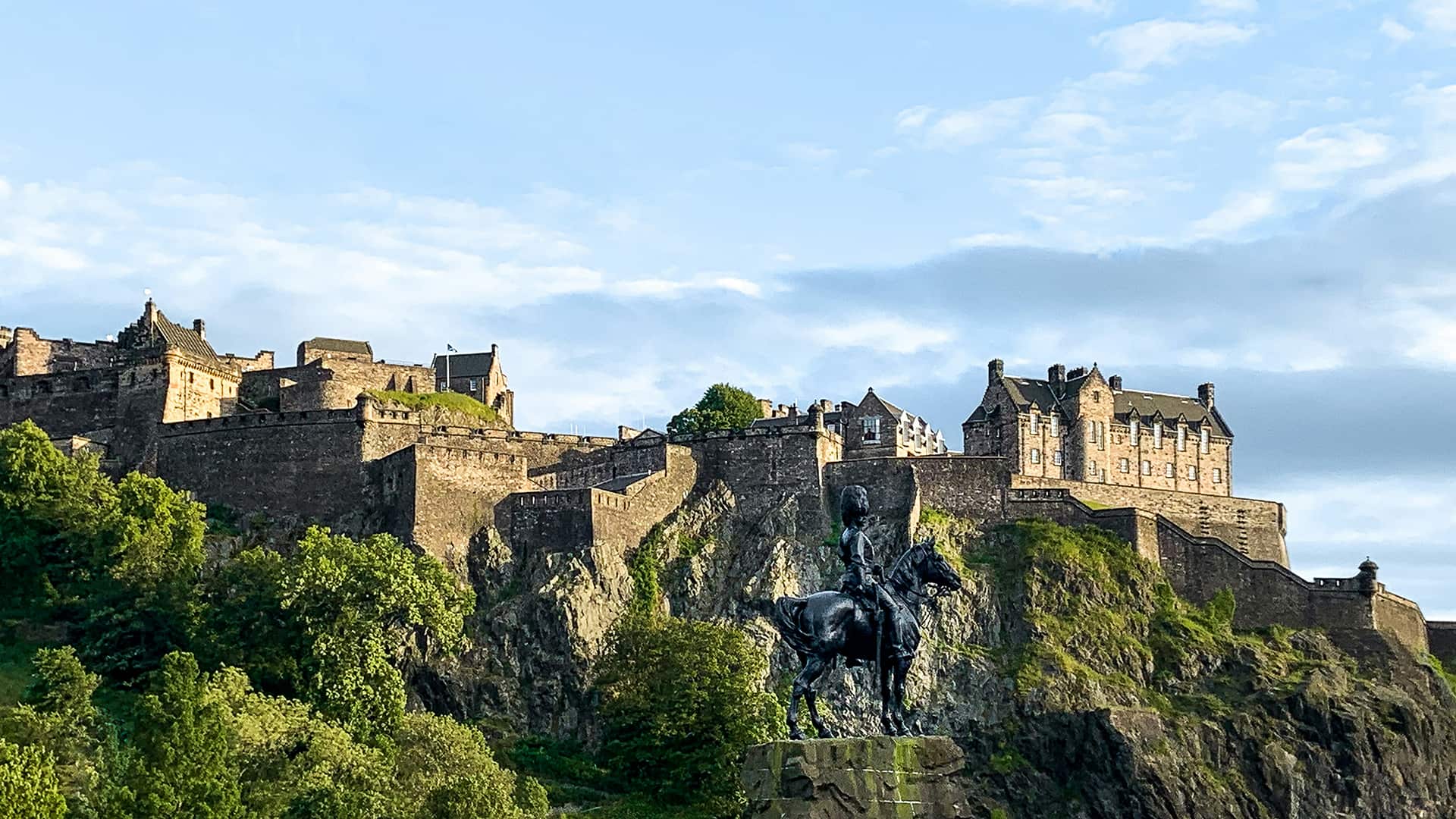
1. Explore Edinburgh – Scotland’s Historic Capital
No first visit to Scotland would be complete without spending time in Edinburgh. The country’s capital combines medieval architecture, fascinating history, excellent restaurants and a vibrant cultural scene.
Begin your exploration along the famous Royal Mile, which stretches through the heart of Edinburgh’s Old Town between Edinburgh Castle and the Palace of Holyroodhouse.
Edinburgh Castle is one of Scotland’s most recognisable landmarks. Perched high above the city on Castle Rock, it offers spectacular views and an opportunity to discover centuries of Scottish history.
Other highlights include:
- Arthur’s Seat: An ancient volcanic hill offering panoramic views across Edinburgh.
- The Royal Yacht Britannia: Explore the former royal yacht in Leith.
- The National Museum of Scotland: Discover Scottish history, culture, science and innovation.
- Dean Village: A picturesque neighbourhood with historic buildings beside the Water of Leith.
- The Royal Botanic Garden Edinburgh: A peaceful escape from the busy city centre.
Edinburgh is also an excellent destination for food lovers, with traditional Scottish restaurants, independent producers and contemporary dining experiences.
A guided food experience can introduce visitors to Scottish specialities while revealing the stories behind the country’s culinary traditions.
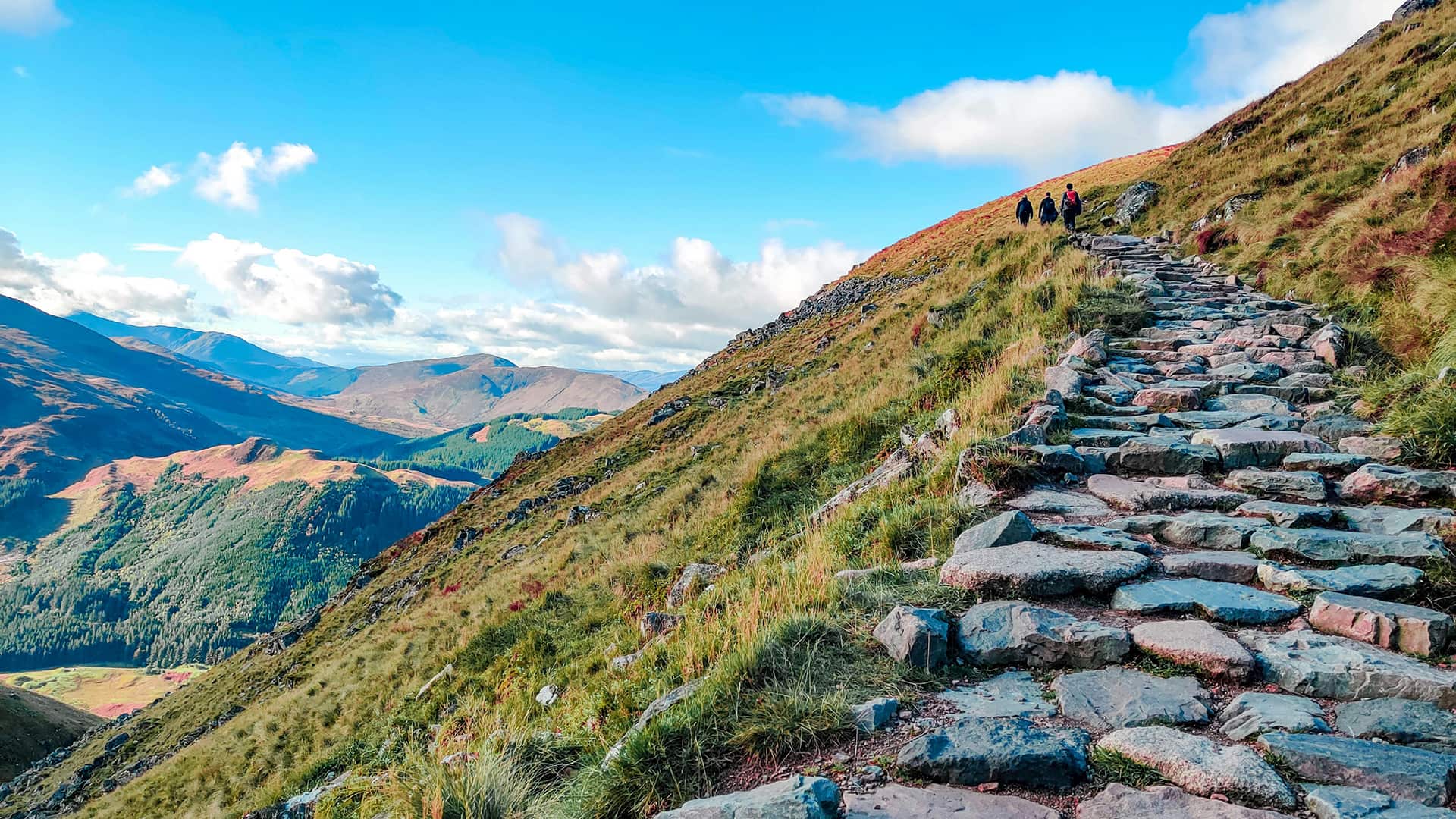
2. Discover the Spectacular Scottish Highlands
The Scottish Highlands are among the most beautiful regions in Europe, famous for towering mountains, peaceful lochs, dramatic glens and remote villages.
For many international visitors, the Highlands represent the Scotland they have always imagined.
One of the most spectacular destinations is Glencoe, where steep mountains rise above a dramatic valley shaped by glaciers. Its scenery is breathtaking in every season.
Other Highland highlights include Ben Nevis, Britain’s highest mountain, the picturesque town of Fort William and the beautiful landscapes surrounding Lochaber.
The Highlands also offer opportunities to discover traditional Highland culture, historic castles and welcoming communities.
Travelling through the region on a private tour allows visitors to enjoy scenic stops, explore lesser-known locations and experience the Highlands at a comfortable pace.
Rather than rushing between attractions, take time to appreciate the landscapes and stories that make this region so special.
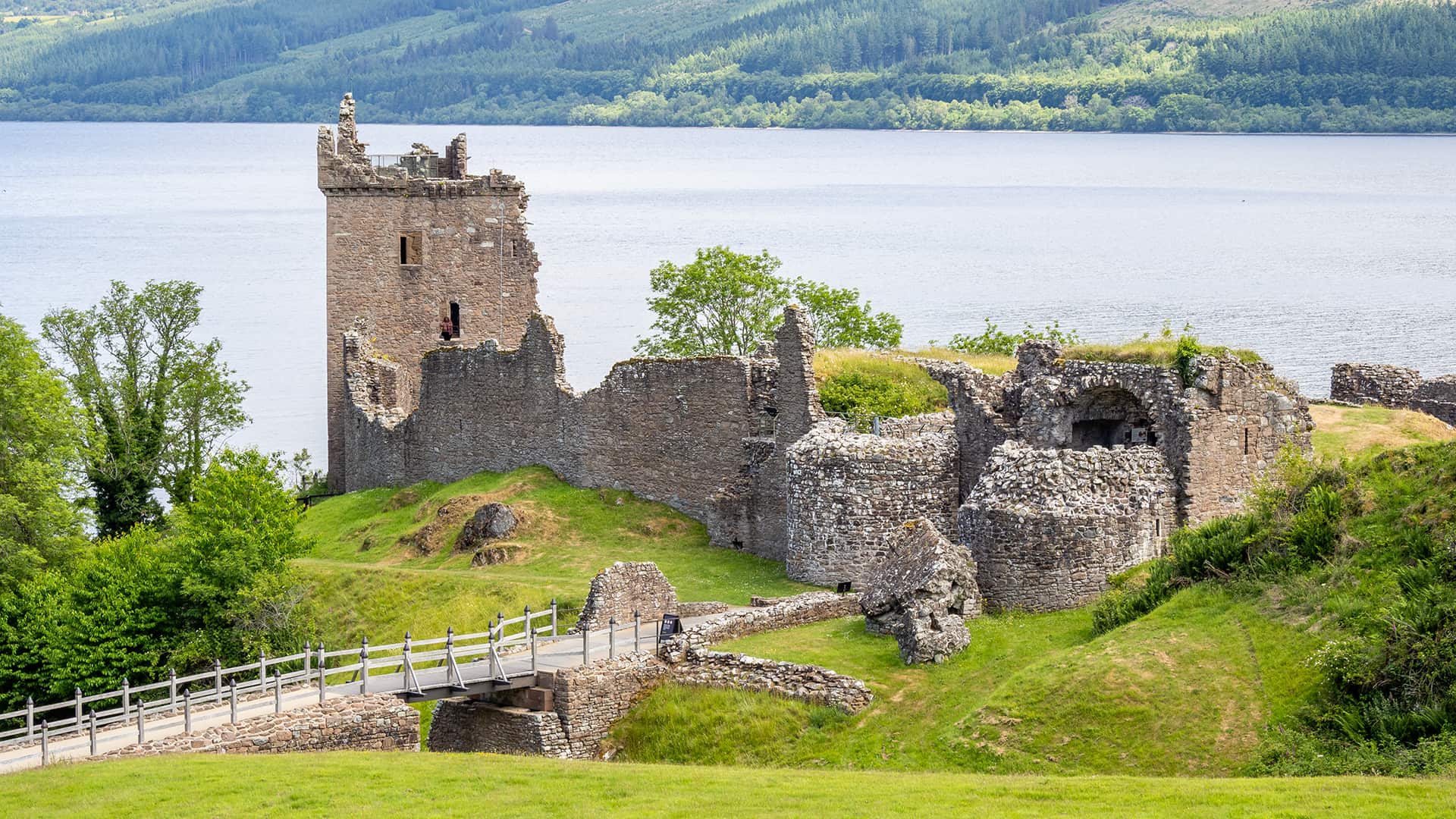
3. Visit Loch Ness and Explore Its Famous Legend
Few Scottish destinations are as internationally recognised as Loch Ness.
Located southwest of Inverness, this enormous freshwater loch is famous for its mysterious resident, the legendary Loch Ness Monster.
Although sightings of Nessie remain unproven, Loch Ness offers much more than its famous folklore.
Visitors can enjoy boat cruises, explore surrounding Highland villages and discover the ruins of Urquhart Castle, which overlooks the loch.
The castle provides a fascinating insight into Scotland’s turbulent medieval history and offers wonderful photographic opportunities.
Nearby Inverness, often called the capital of the Highlands, makes an excellent base for exploring the surrounding region.
For history enthusiasts, Culloden Battlefield is another important destination, marking the site of the final battle of the Jacobite Rising in 1746.
Combining Loch Ness, Inverness and Culloden creates an engaging introduction to Highland history and culture.
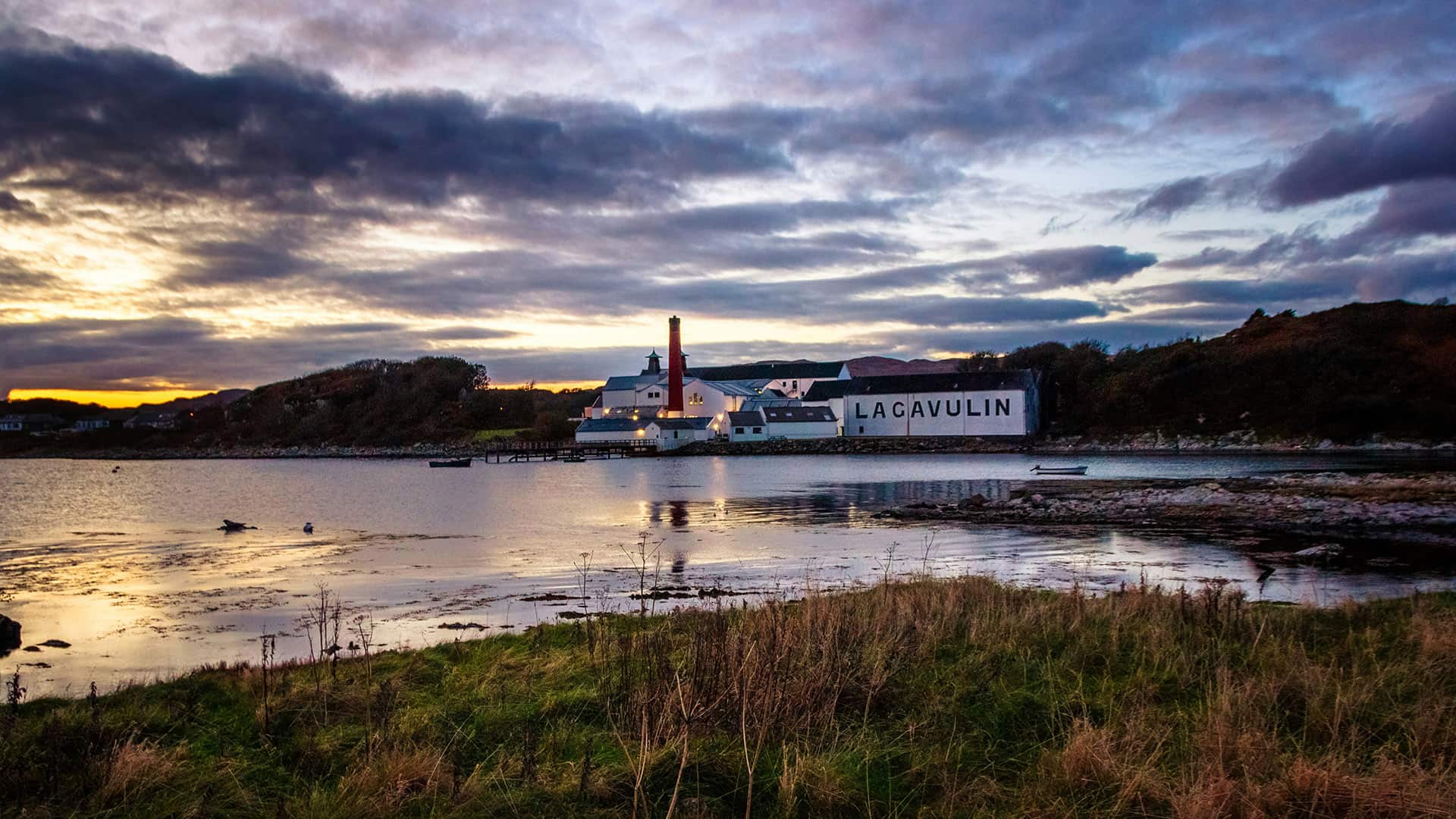
4. Experience Scotland’s World-Famous Whisky
Scotland and whisky are inseparable.
Known around the world for its exceptional single malt and blended whiskies, Scotland has a whisky-making heritage stretching back centuries.
Visiting a traditional distillery is one of the best things to do in Scotland, particularly for travellers interested in local culture and craftsmanship.
Scotland has several distinctive whisky-producing regions, including Speyside, Islay, the Highlands, Lowlands and Campbeltown.
Speyside is especially famous for its concentration of distilleries, while Islay is celebrated for its characterful, often smoky whiskies.
A distillery experience may include learning about the production process, exploring traditional equipment and enjoying guided tastings.
For a more personalised experience, private whisky tours can combine distillery visits with scenic Highland journeys, historic attractions and carefully selected dining experiences.
Even visitors who are new to whisky can enjoy discovering the traditions and craftsmanship behind Scotland’s national drink.
5. Discover Scotland’s Exceptional Food and Culinary Heritage
Scotland’s food scene is one of the country’s most rewarding surprises.
From freshly caught seafood and locally reared beef to artisan cheeses, traditional baking and innovative fine dining, Scottish cuisine celebrates the country’s outstanding natural ingredients.
Food lovers visiting Scotland should make time to experience authentic regional specialities.
Traditional dishes worth trying include:
- Haggis, neeps and tatties: Scotland’s famous savoury dish served with turnips and potatoes.
- Cullen skink: A rich, comforting soup made with smoked haddock, potatoes and onions.
- Scottish smoked salmon: A delicacy celebrated for its distinctive flavour.
- Fresh Scottish seafood: Including scallops, langoustines, oysters and mussels.
- Cranachan: A traditional dessert combining raspberries, cream, oats and whisky.
- Scottish shortbread: A buttery biscuit enjoyed throughout the country.
Edinburgh, Glasgow and the Highlands offer excellent opportunities to discover Scotland’s evolving culinary identity.
However, some of the most memorable experiences take place beyond traditional restaurants.
Visiting artisan food producers, meeting local makers and enjoying private culinary experiences provides a deeper understanding of Scottish culture.
At Tasting Scotland, food and drink are an important part of discovering the country’s character, heritage and traditions.
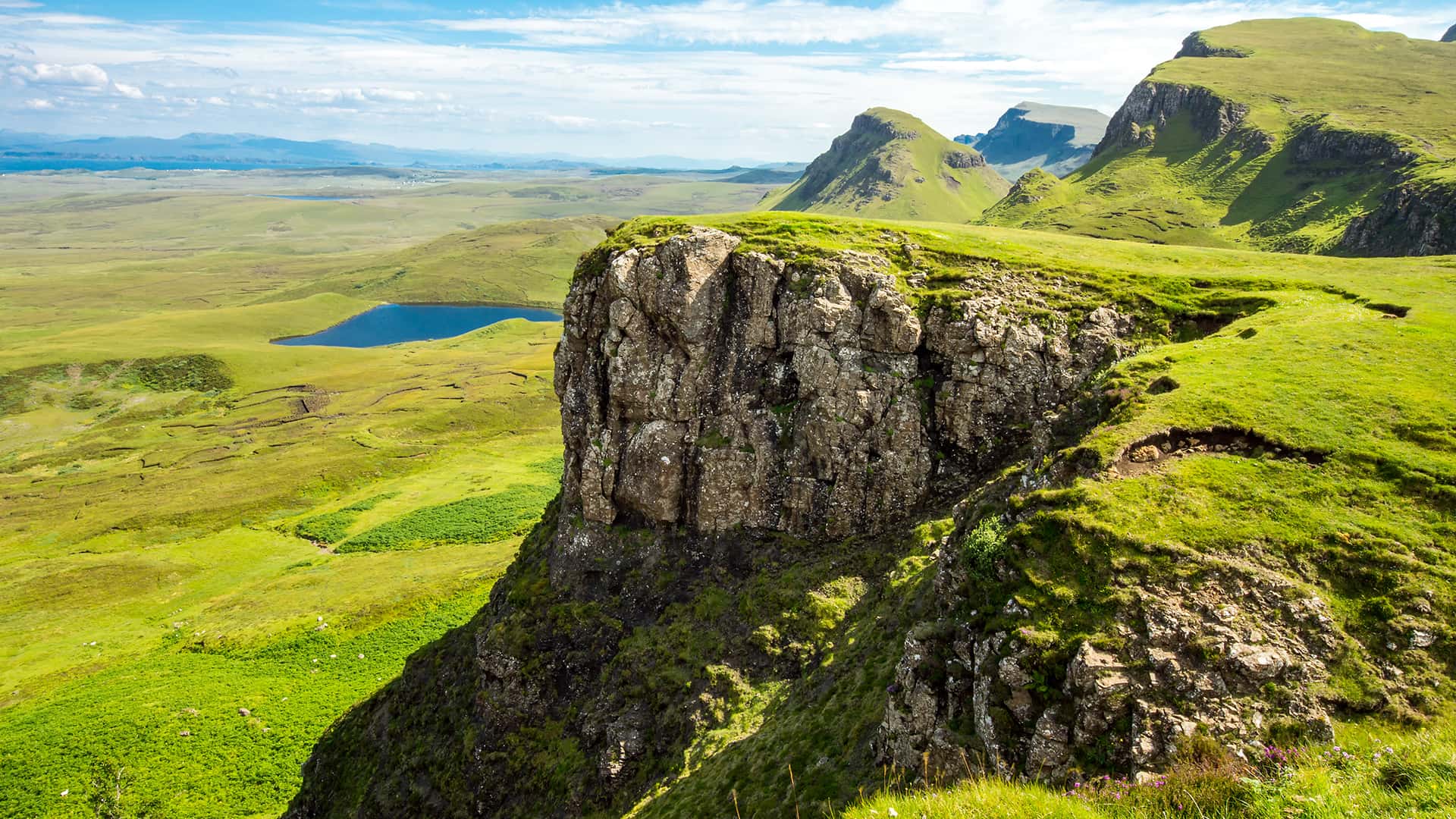
6. Explore the Magical Isle of Skye
The Isle of Skye is one of Scotland’s most spectacular destinations, attracting visitors with its rugged mountains, dramatic coastlines and extraordinary natural beauty.
Located off Scotland’s northwest coast, Skye offers landscapes unlike anywhere else in Britain.
Popular attractions include the Old Man of Storr, the Quiraing, the Fairy Pools and the colourful harbour town of Portree.
The island is also home to Dunvegan Castle, historic clan traditions and fascinating Gaelic heritage.
For photographers and nature enthusiasts, Skye provides endless opportunities to capture Scotland’s wild beauty.
The island’s narrow roads and popular attractions can become busy during summer, so allowing at least two or three days is advisable.
A carefully planned private itinerary can help visitors discover both the famous landmarks and quieter corners of this remarkable island.
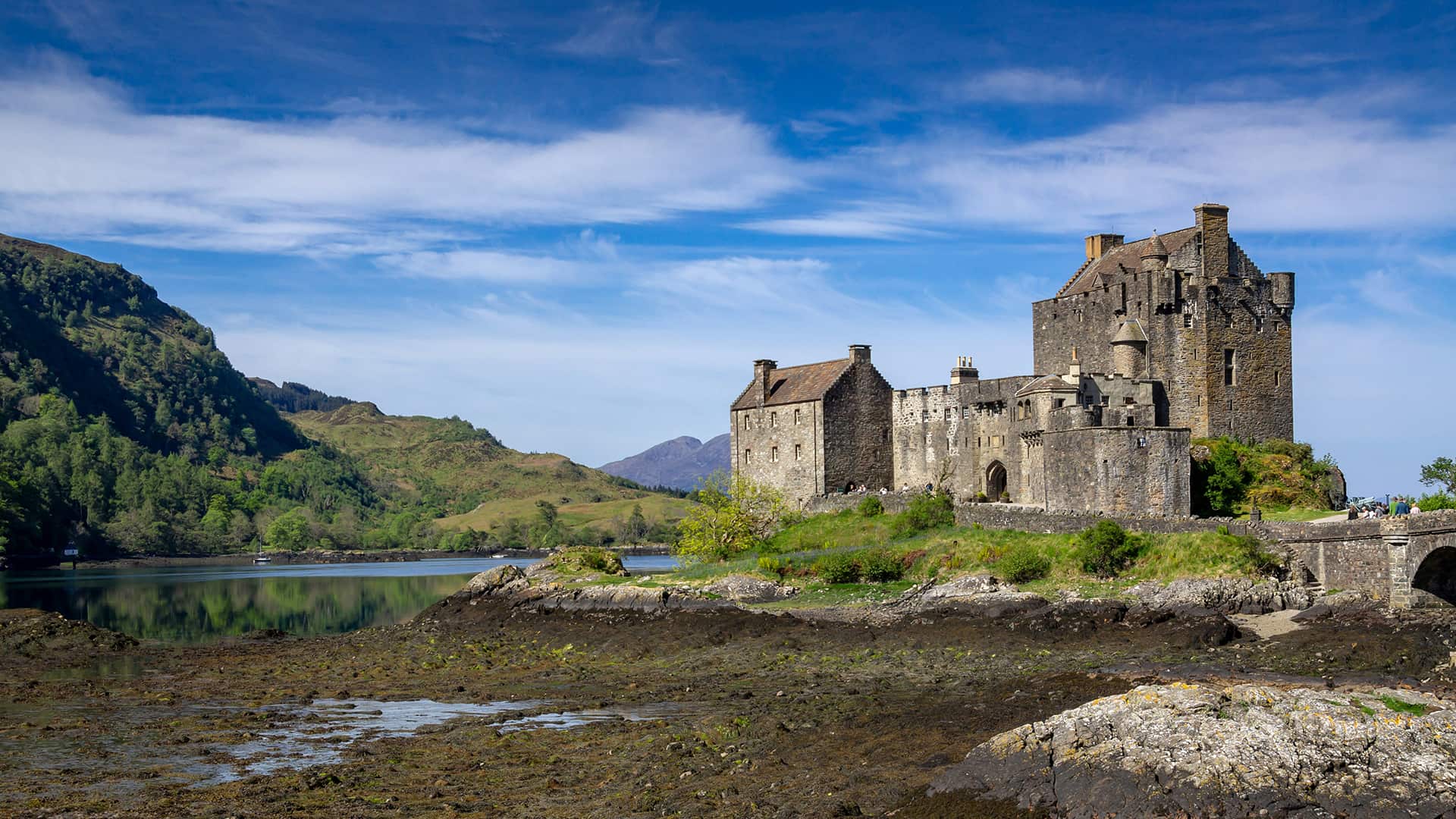
7. Visit Scotland’s Historic Castles
Scotland is famous for its castles, which reveal centuries of royal history, clan rivalries and dramatic battles.
From magnificent royal residences to atmospheric ruins overlooking remote lochs, these historic landmarks are essential stops on a Scottish holiday.
Among the most impressive are:
Edinburgh Castle: Dominating the capital’s skyline and housing the Honours of Scotland.
Stirling Castle: One of Scotland’s most historically important royal residences, closely associated with Mary, Queen of Scots.
Eilean Donan Castle: A picturesque castle situated where three sea lochs meet in the western Highlands.
Urquhart Castle: Dramatic medieval ruins overlooking Loch Ness.
Glamis Castle: An impressive historic residence with strong royal connections and centuries of fascinating stories.
Exploring these castles offers visitors an opportunity to understand Scotland’s rich and sometimes turbulent past.
Many can be incorporated into scenic day tours or longer journeys through the country.
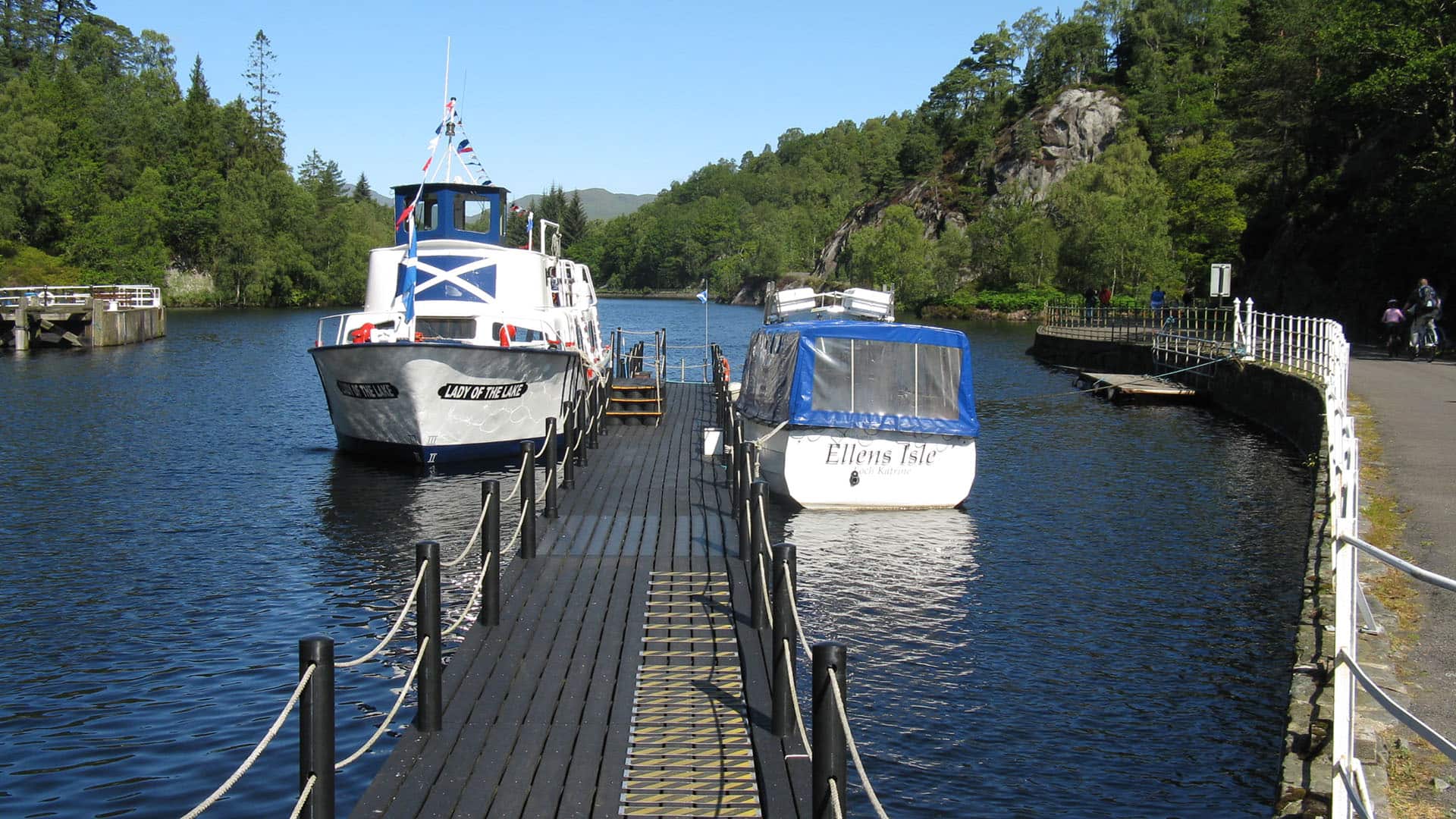
8. Enjoy the Beauty of Loch Lomond and The Trossachs
Located within easy reach of Glasgow, Loch Lomond and The Trossachs National Park is an excellent destination for visitors seeking beautiful scenery without travelling deep into the Highlands.
Loch Lomond is Britain’s largest freshwater lake by surface area, surrounded by wooded hills, picturesque villages and impressive mountains.
Visitors can enjoy scenic boat trips, peaceful woodland walks and visits to charming locations such as Luss and Balmaha.
The surrounding Trossachs are known for their forests, lochs and landscapes associated with Scottish history and literature.
This region makes an excellent introduction to Scotland’s natural beauty and can be combined with visits to Stirling or nearby historic attractions.
9. Discover Glasgow’s Culture, Architecture and Food Scene
While Edinburgh attracts many first-time visitors, Glasgow offers a different but equally rewarding Scottish experience.
Scotland’s largest city is known for its friendly atmosphere, striking architecture, outstanding museums and lively music scene.
The Kelvingrove Art Gallery and Museum is one of the city’s most popular cultural attractions, while Glasgow Cathedral provides a fascinating glimpse into its medieval past.
Architecture enthusiasts can discover the work of Charles Rennie Mackintosh, whose distinctive designs helped shape Glasgow’s cultural identity.
The city also boasts an exciting restaurant scene, from traditional Scottish establishments to contemporary restaurants celebrating local produce.
For visitors interested in art, music, food and urban culture, Glasgow deserves a place on any Scottish itinerary.
10. Experience Scotland’s Islands and Coastal Scenery
Scotland’s islands offer a wonderful opportunity to escape busy tourist destinations and discover extraordinary coastal landscapes.
The Inner and Outer Hebrides are famous for their beaches, wildlife, traditional communities and distinctive island culture.
The Isle of Mull offers colourful Tobermory, beautiful coastal scenery and opportunities to spot wildlife.
Islay combines spectacular scenery with an internationally celebrated whisky heritage.
Further north, Orkney is renowned for its prehistoric monuments, including Skara Brae and the Ring of Brodgar.
The islands are particularly rewarding for visitors interested in history, photography, wildlife and authentic local experiences.
Because ferry connections and weather conditions can influence travel plans, island visits benefit from careful preparation and flexible itineraries.
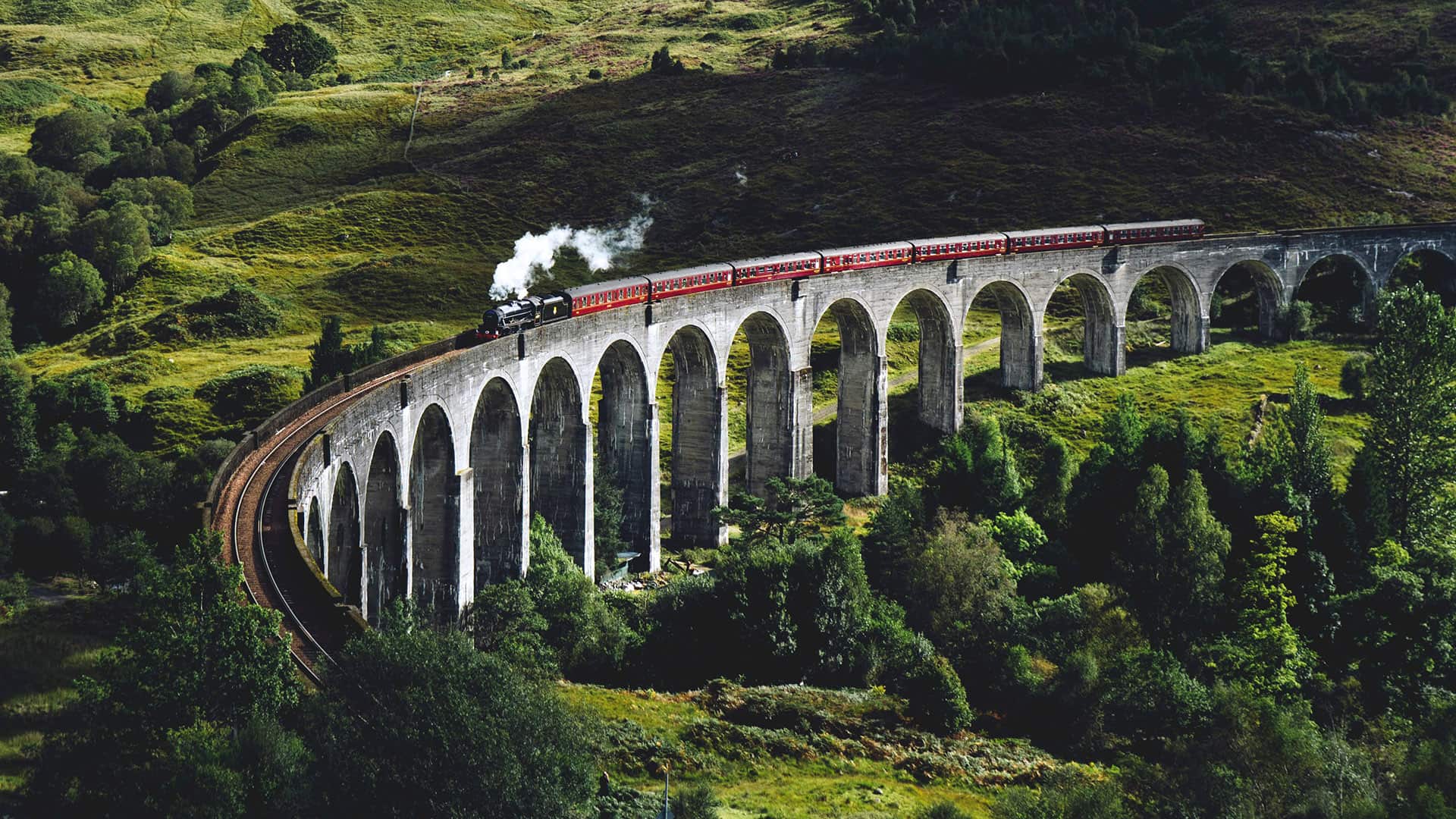
11. Take a Scenic Journey Through Scotland
Sometimes the journey itself is one of Scotland’s greatest attractions.
Travelling through the country reveals dramatic mountain passes, beautiful lochs, traditional villages and spectacular coastal roads.
Popular scenic routes include the North Coast 500, the journey through Glencoe and the roads connecting Fort William with the Isle of Skye.
The Glenfinnan Viaduct is another memorable landmark, famous for its appearance in the Harry Potter films.
For first-time visitors, a private guided tour can make exploring Scotland considerably easier.
With a knowledgeable local guide handling the route and practical arrangements, visitors can focus on the landscapes, attractions and experiences rather than unfamiliar roads.
When Is the Best Time to Visit Scotland?
Scotland is a year-round destination, with each season offering something different.
Spring (March–May): Enjoy colourful landscapes, longer daylight hours and generally fewer visitors than during the summer peak.
Summer (June–August): Experience long days, outdoor activities, festivals and some of the best opportunities for exploring remote regions.
Autumn (September–November): Discover beautiful seasonal colours, atmospheric landscapes and opportunities for quieter sightseeing.
Winter (December–February): Enjoy festive city breaks, dramatic Highland scenery and cosy traditional hospitality.
For many first-time visitors, May, June and September offer an appealing balance of daylight, attractions and manageable visitor numbers.
How Many Days Do You Need in Scotland?
The ideal length of a Scottish holiday depends on your interests and the regions you wish to explore.
A three-to-five-day visit allows time to discover Edinburgh and perhaps enjoy a day trip to the Highlands or nearby attractions.
Seven days provides greater flexibility to combine Edinburgh, Glasgow, Loch Lomond and selected Highland destinations.
With ten to fourteen days, visitors can explore more extensively, incorporating the Highlands, Isle of Skye, whisky regions and Scotland’s islands.
A personalised itinerary can help make the most of your time while avoiding unnecessary travel and rushed sightseeing.
Discover Scotland with Tasting Scotland
From magnificent castles and breathtaking Highland landscapes to world-class whisky and exceptional local cuisine, Scotland offers unforgettable experiences for every type of traveller.
For first-time visitors, the best approach is to combine famous landmarks with authentic experiences that reveal the country’s character.
At Tasting Scotland, we believe that discovering Scotland should be about more than simply visiting attractions. It should be about experiencing the landscapes, people, traditions and flavours that make the country extraordinary.
Whether you’re interested in historic castles, spectacular Highland scenery, Scottish food and drink or a bespoke luxury journey, a thoughtfully planned private experience allows you to discover Scotland at your own pace.
Ready to explore Scotland? Discover our private tours and experiences, or contact Tasting Scotland to discuss creating a personalised Scottish adventure.
Frequently Asked Questions About Visiting Scotland
What are the best things to do in Scotland for first-time visitors?
The best experiences include exploring Edinburgh, visiting the Scottish Highlands, discovering Loch Ness, touring historic castles, tasting Scottish whisky and enjoying traditional Scottish food.
What is the most beautiful part of Scotland?
The Scottish Highlands, Isle of Skye, Glencoe and Loch Lomond are among Scotland’s most beautiful destinations, offering dramatic mountains, peaceful lochs and spectacular landscapes.
Is seven days enough to visit Scotland?
Seven days is enough to explore several major destinations, particularly Edinburgh, Loch Lomond and parts of the Highlands. A longer visit allows more time for remote islands and additional regions.
Is Scotland worth visiting for food lovers?
Absolutely. Scotland offers exceptional seafood, traditional dishes, artisan producers, whisky distilleries and an increasingly diverse restaurant scene. Food and drink experiences are an excellent way to discover Scottish culture.
Are private tours a good way to explore Scotland?
Private tours can be particularly useful for first-time visitors, offering flexible itineraries, local knowledge and comfortable travel between destinations without the challenges of planning every journey independently.